Karlo David – Rediscovering and Documenting the Stories of Kidapawan
When I was 18, a beautiful old house was demolished in my hometown of Kidapawan in North Cotabato, Philippines. The Kiram Mansion, a beautiful concrete building that looked both Palladian and Maranao, had been standing in Kidapawan for as long as I could remember, and suddenly two-thirds of it was demolished. What shocked me was how apathetic the city was in response to the demolition.
The incident opened my eyes as to how so much history is untold, just waiting to be discovered. Kidapawan is both an old Manuvu (tribal people) settlement and a Mindanao settler town with a Maguindanaon Muslim population, a microcosm of Mindanao. That colourful history is reflected in its architecture and its town planning (or lack thereof).
More about what I do and why
Because the first step is to record what has not been properly recorded, I am currently writing a comprehensive history of Kidapawan.
[su_expand more_text="More" less_text="Show less" height="24" text_color="#333333" link_color="#d05002" link_align="left" ]
I started and manage a Facebook page, Kidapawan of the Past, which features both old pictures of Kidapawan and historical trivia for followers to see. I am happy to say I've made what was once almost the secret of a few old people more widely known in the city because of these efforts.
It's not much, but the local government has taken notice. Now I am writing the history under the auspices of the city mayor, and I give feedback to the city culture and arts council in its efforts to inventory the city's cultural properties.
The most gratifying thing about my work as local historian has been reviving - and preserving for posterity - the memories of historical people and incidents that are on the verge of being forgotten.
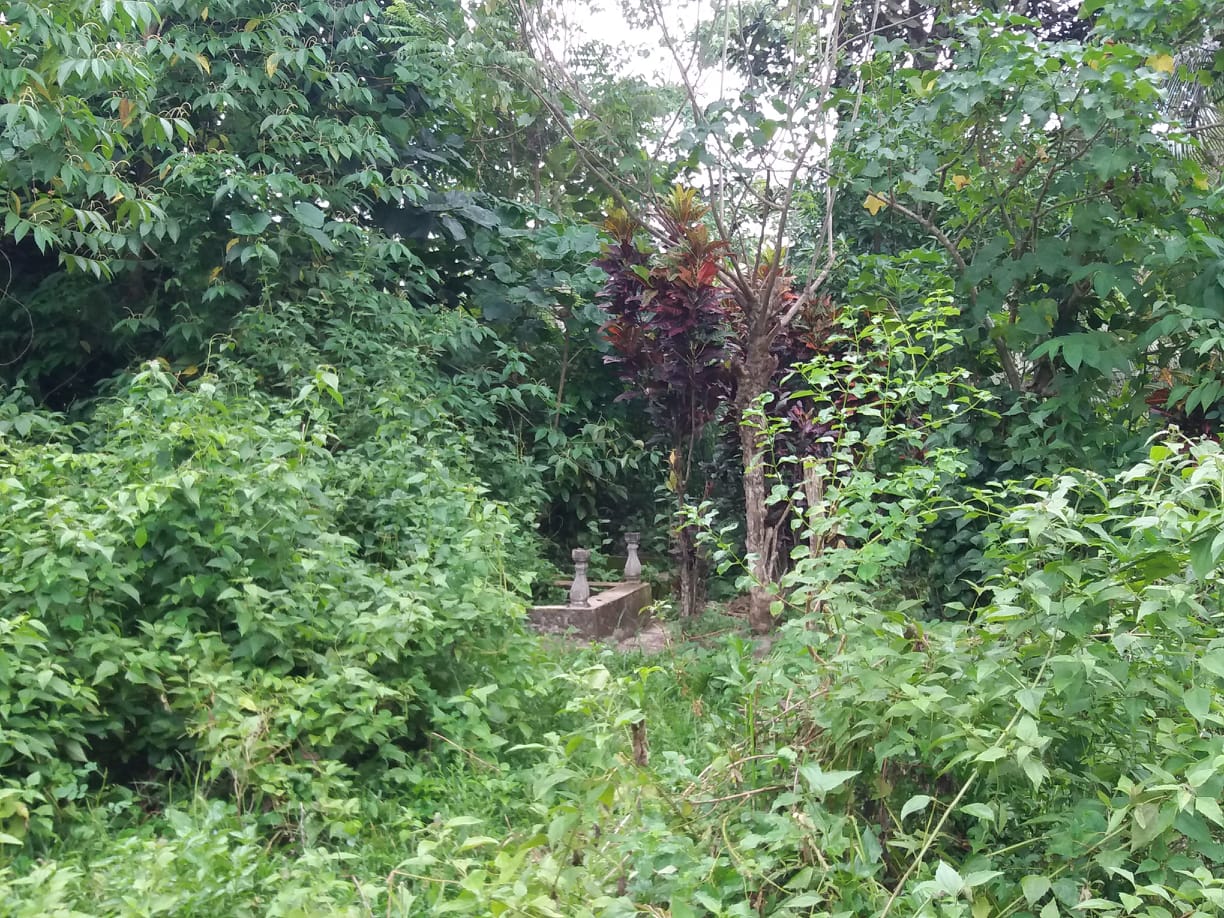
I am still composing myself after hearing about a previously undocumented massacre of Muslim civilians in the 1970s in a remote part of Kidapawan. They were massacred at the height of the Muslim insurgency under Ferdinand Marcos, and were killed simply for being Muslim (the bodies were buried in a mass grave). The city forgot about the atrocity completely, and the families of the victims (who have been quiet all these decades) were thankful for just being asked to speak about it. Now everyone will know, and playing a part in remembering such incidents is fulfilling beyond words.
[/su_expand]
What I’ve learned
Dealing with public ignorance and apathy will be your greatest problem. If you have public support you can achieve anything, but if you don’t have it it’s very hard to achieve anything.
If you can, look for people in the local government who share this passion. The local government is rarely your enemy, often it just needs help to do things the right way.
How I work
“Kidapawan of the Past” – My Facebook page, dedicated to sharing Kidapawan’s history with others through collected stories and images.Connect with me
-
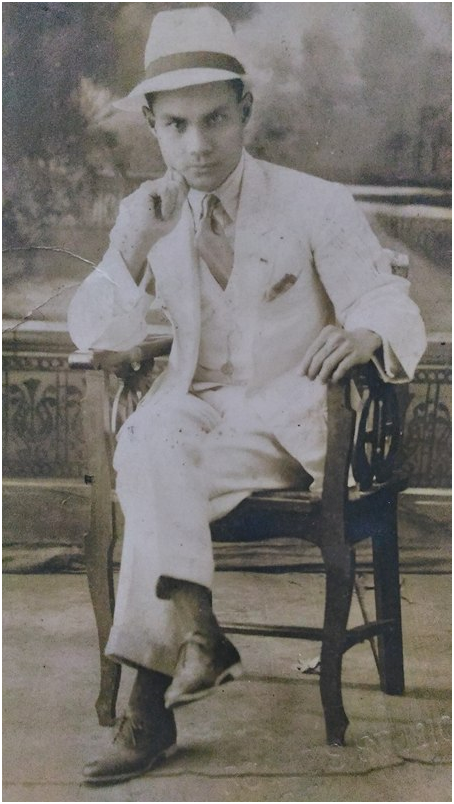
- Judge Eliseo Dayao Sr., who was killed by the Japanese during the Second World War, was completely forgotten by Kidapawan. I helped raise greater public awareness about him.
-
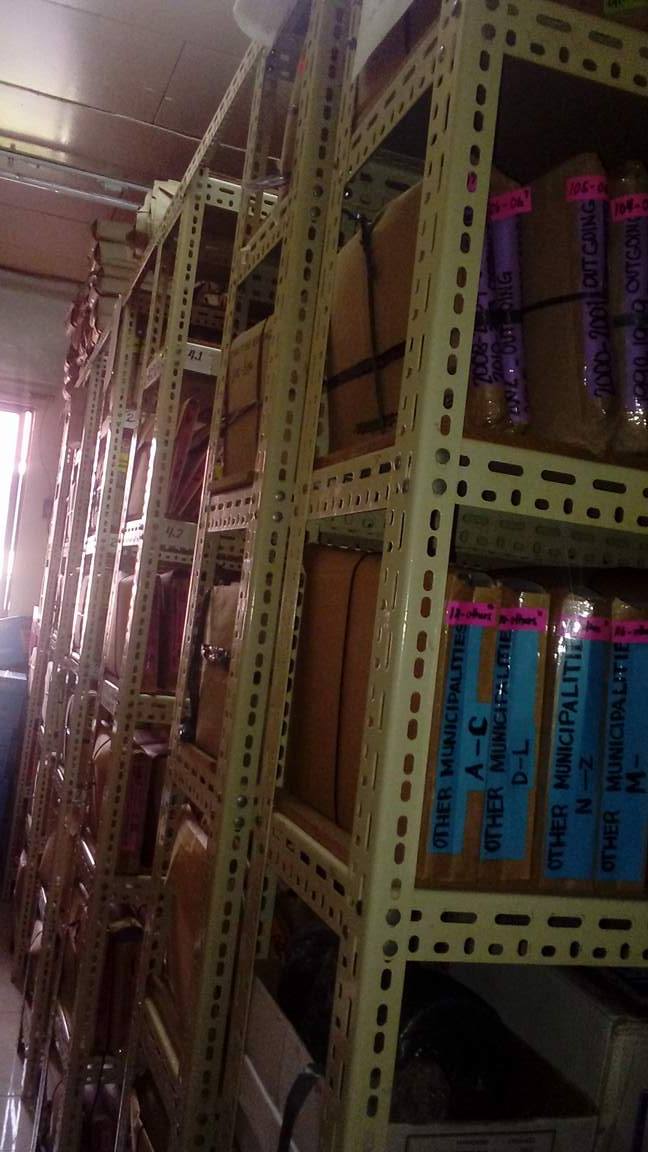
- The Kidapawan City Council Archives, which I am reading for my history of the city, dates back to 1948.
-
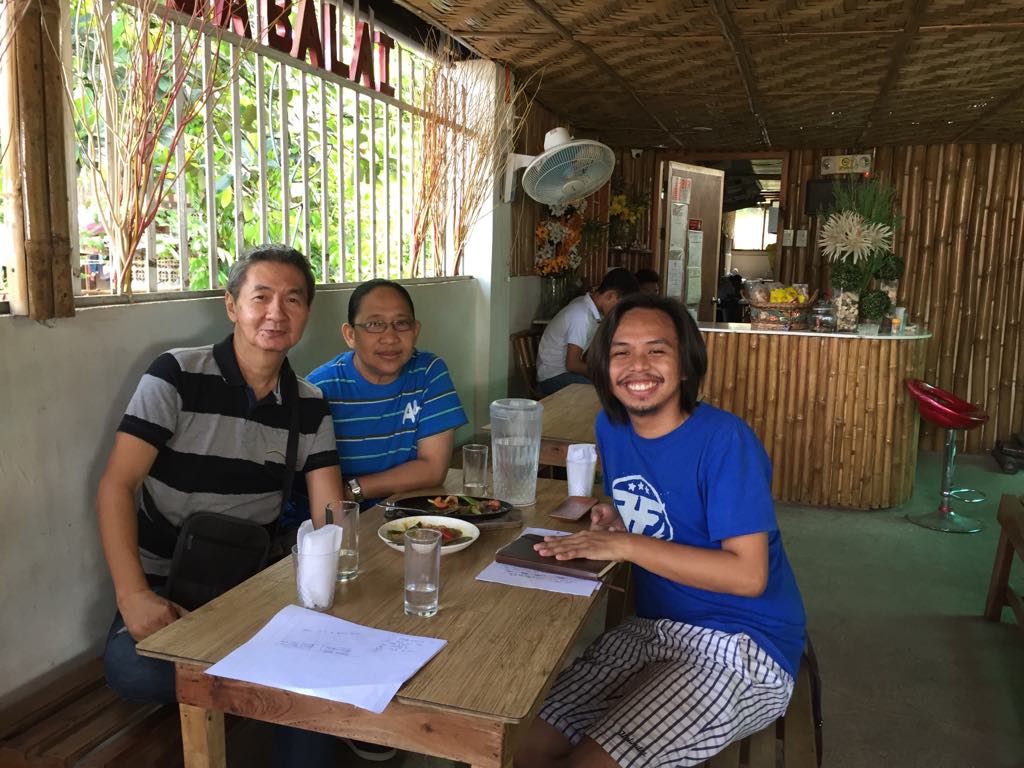
- Me after interviewing Antonio Tan, primary source for information on the Chinese community, with family friend Estrella Belarmino (who introduced me to Tan and many other sources).
-
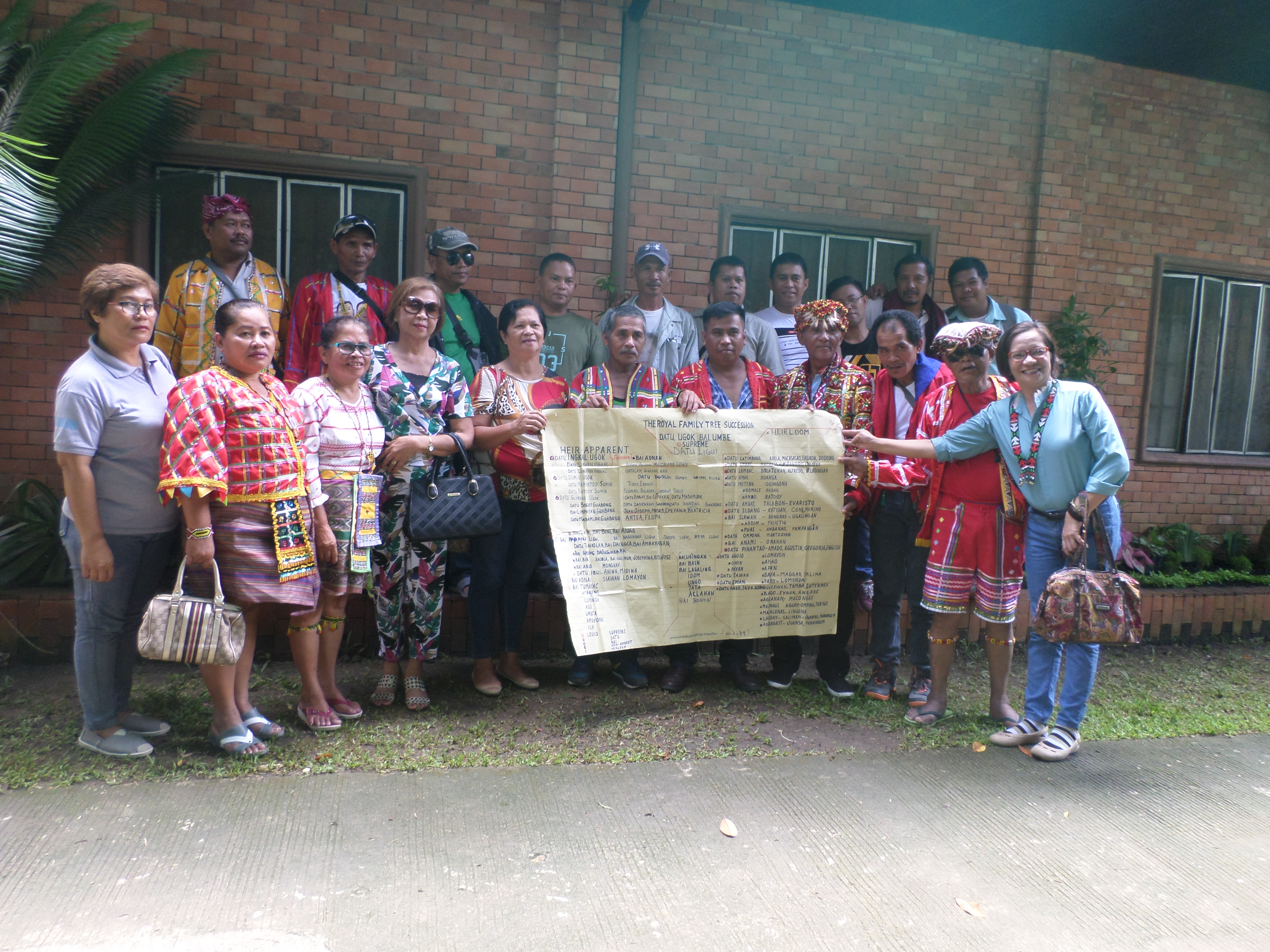
- Members of the Uvu Manuvu community pose with the Pinantao Genealogy, an old family tree of tribal chieftains. I helped convince the custodians of the family tree to bring it out for the community to see.
-

- ‘Me and Joel Recimilla, Kidapawan City Tourism Officer, who has given me a lot of help in my research.

-
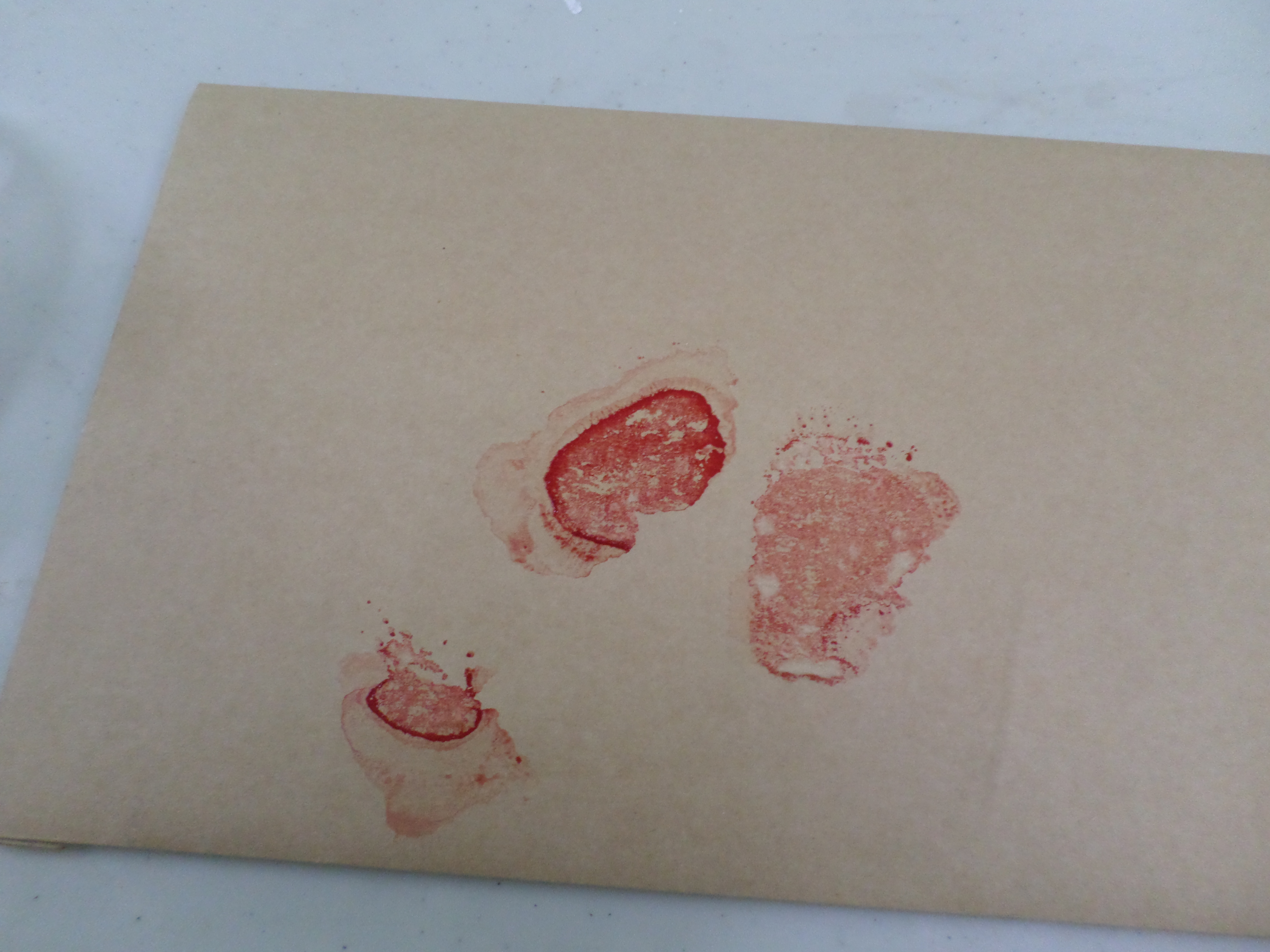
- The envelope that contained the Pinantao Genealogy, after the blood of a white chicken had been spilled on it as part of the Pamaas, a sacred Manuvu ritual performed to appease the spirits.
-
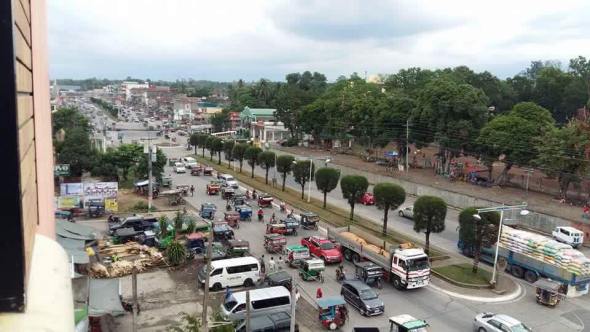
- The island of Pine Trees has lined Kidapawan’s main thoroughfare since at least the late 60’s. They were almost cut down in the 90’s, but today stand as distinct icons of the city.
-
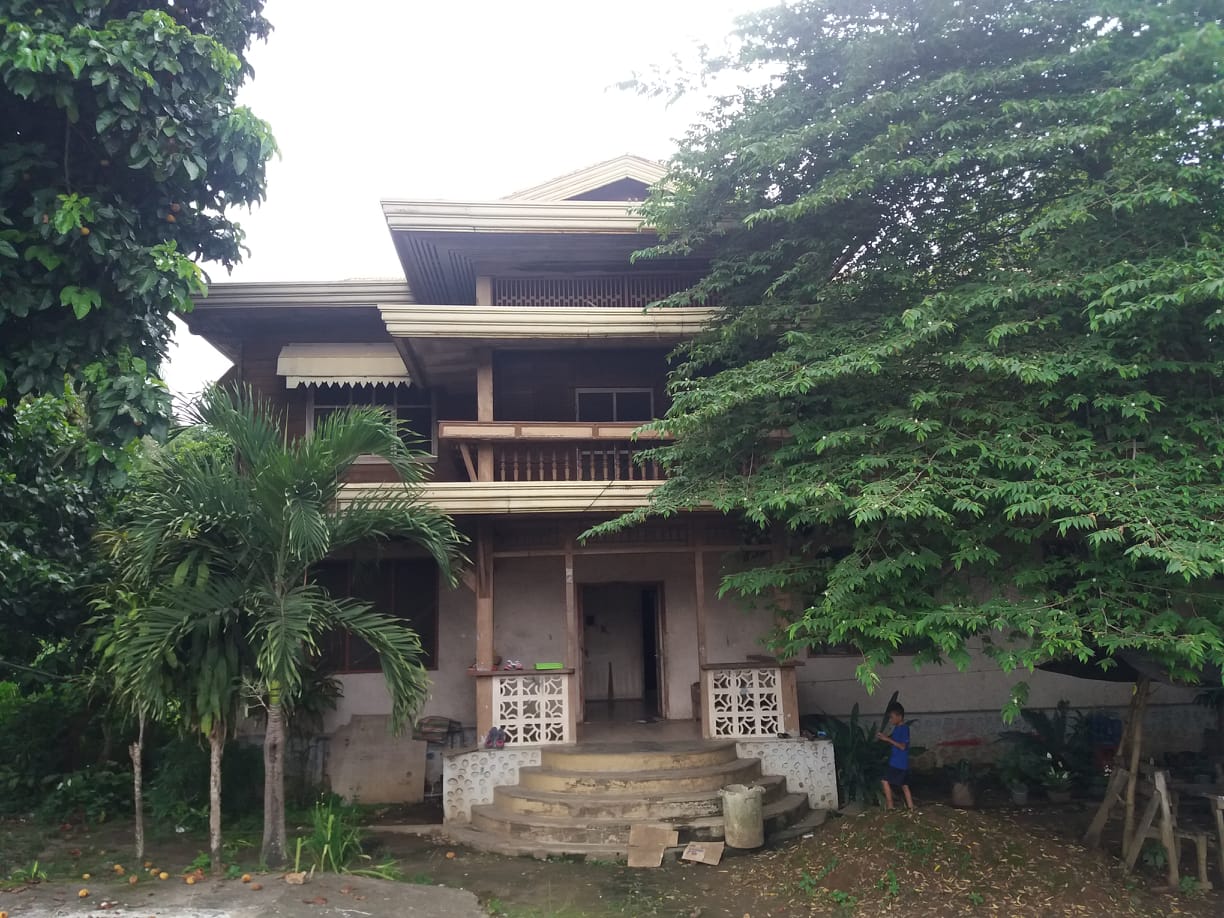
- The Rellin House, one of Kidapawan’s beautiful old houses, has been part of the city’s landscape for much of its history. The house is set to be demolished some time this year for a mall to be built in its place.
-
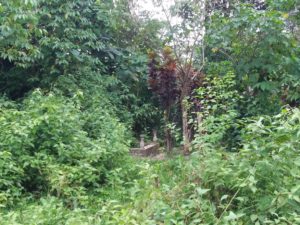
- This overgrown plot of land in Baranggay Patadon is a little-known mass grave, where the dead bodies of fifteen Muslim civilians were hurriedly buried after they were massacred in the troubles of the 1970s. Kidapawan has completely forgotten this and other such atrocities committed to its local Muslim community during the Marcos era.